|
|
🇵🇷 The Boricua Flavor: More Than a Genre, It’s Pure Seasoning
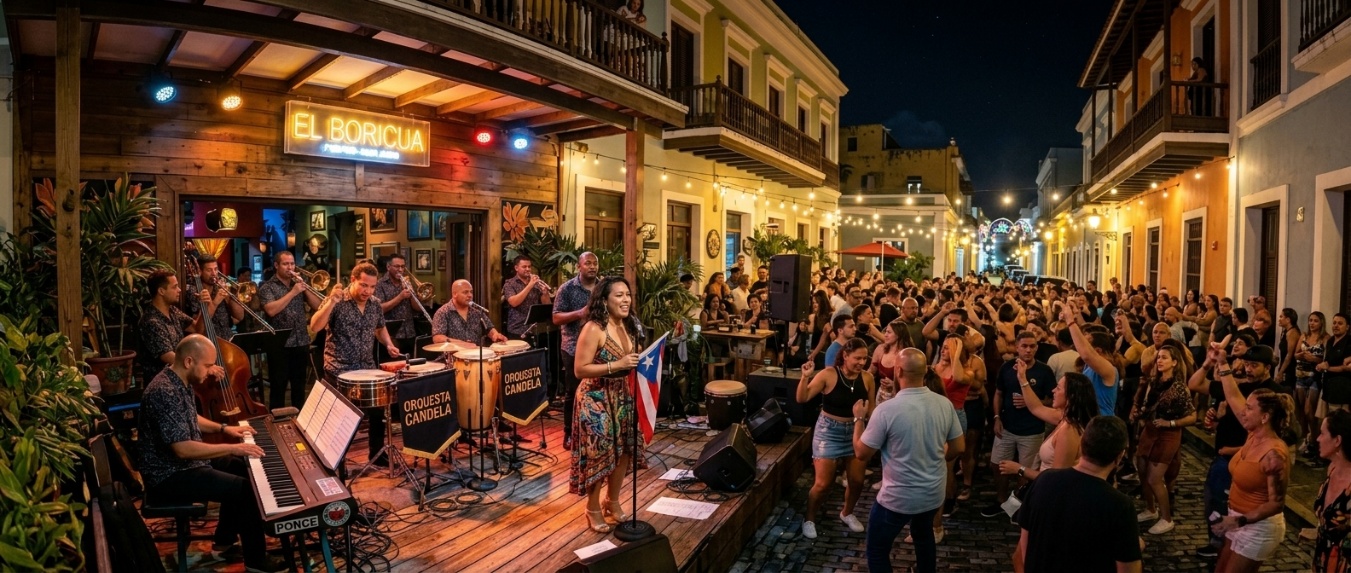
Even though salsa has deep roots in Cuban son and totally blew up in New York's Spanish Harlem, Puerto Rico added the secret ingredient: that rustic countryside feeling brought right into the middle of the city. Boricuas infused it with bomba, plena, the Puerto Rican tres, and that spicy flavor that sets legendary orchestras apart, like El Gran Combo, La Sonora Ponceña, or the golden age of Fania with Héctor Lavoe, Willie Colón, and Cheo Feliciano. But anyway, how does a salsa track actually work? Because this isn't just about grabbing instruments and playing like crazy; there is a super clear roadmap holding all that tasty rhythm together. The Structure of Salsa
Anatomy of a Great PartyIf you start analyzing traditional salsa, you will notice it is divided into several key parts. It is literally like a story that starts out chill and ends up on fire. The Introduction Here the orchestra rolls out the welcome mat. The brass section comes in full force (trumpets, trombones), the piano drops its first chords, and the percussion stakes its claim. It is the official heads-up to let people know the good stuff is coming. The Verse This is the part where the gossip or the story gets told. The singer kicks off the lyrics: whether they just got dumped, life is tough, or they are simply shouting out the neighborhood. Here the music is a bit more relaxed, the beat is tight but not overwhelming, perfect for dancing smoothly and stepping side to side. - The Montuno (This is where things get wild!)
Forget what happened before, because when the singer stomps their foot and yells something like, "And now let the timbal ring out!", we enter the absolute heart of salsa. The Montuno is recognized by two things:- The Chorus and the Inspiration: The chorus repeats a catchy, fixed phrase, while the sonero (lead singer) starts improvising verses on the spot, firing back at the chorus in real time.
- The Shift in Intensity: The percussion kicks it up a notch. The bongos get dropped, the cowbell comes out, and the player goes all in to drive the rhythm hard.
- The Mambo and the Moña
Right in the middle of the montuno, the singer steps aside to let the wind instruments shine like royalty.- The Mambo: A powerful melodic section played by the brass.
- The Moña: Those sweet, flashy licks and arrangements the trombonists or trumpeters throw in to heat up the dance floor even more. Plus, this is where the solos hit: a punchy piano, the timbalero showing off, or a conga roll that gets even the stiffest person dancing.
- The Ending
After running the marathon and working up a major sweat during the montuno, the track looks for the exit. It can end with a sudden bang from the entire orchestra at once or fade out slowly while the chorus keeps repeating the refrain.
The Secret Engine
The Clave and the TumbaoAll this structure is useless if there is no solid foundation. In salsa, that pillar is La Clave. The clave is literally two wooden sticks that mark a five-stroke pattern (3-2 or 2-3). Everything in the orchestra—piano, bass, congas, and singers—has to lock into that pattern. If someone falls out of sync, the whole band gets messed up and the rhythm collapses. To top it all off, right alongside the clave is the tumbao from the bass and conga, which give it that smooth groove that makes you move your hips almost automatically. So the next time you put on a great salsa track, you are already in the know: listen to the story in the verse, get ready for the mambo, and when the montuno hits, just let yourself get carried away by the Puerto Rican flavor.
|
|
|
Salsa
|
|
100 Tracks. Duration: 07:24:12 HiFi ≈4.48Gb |
|
|
|
|
|
|

|

|

|
|